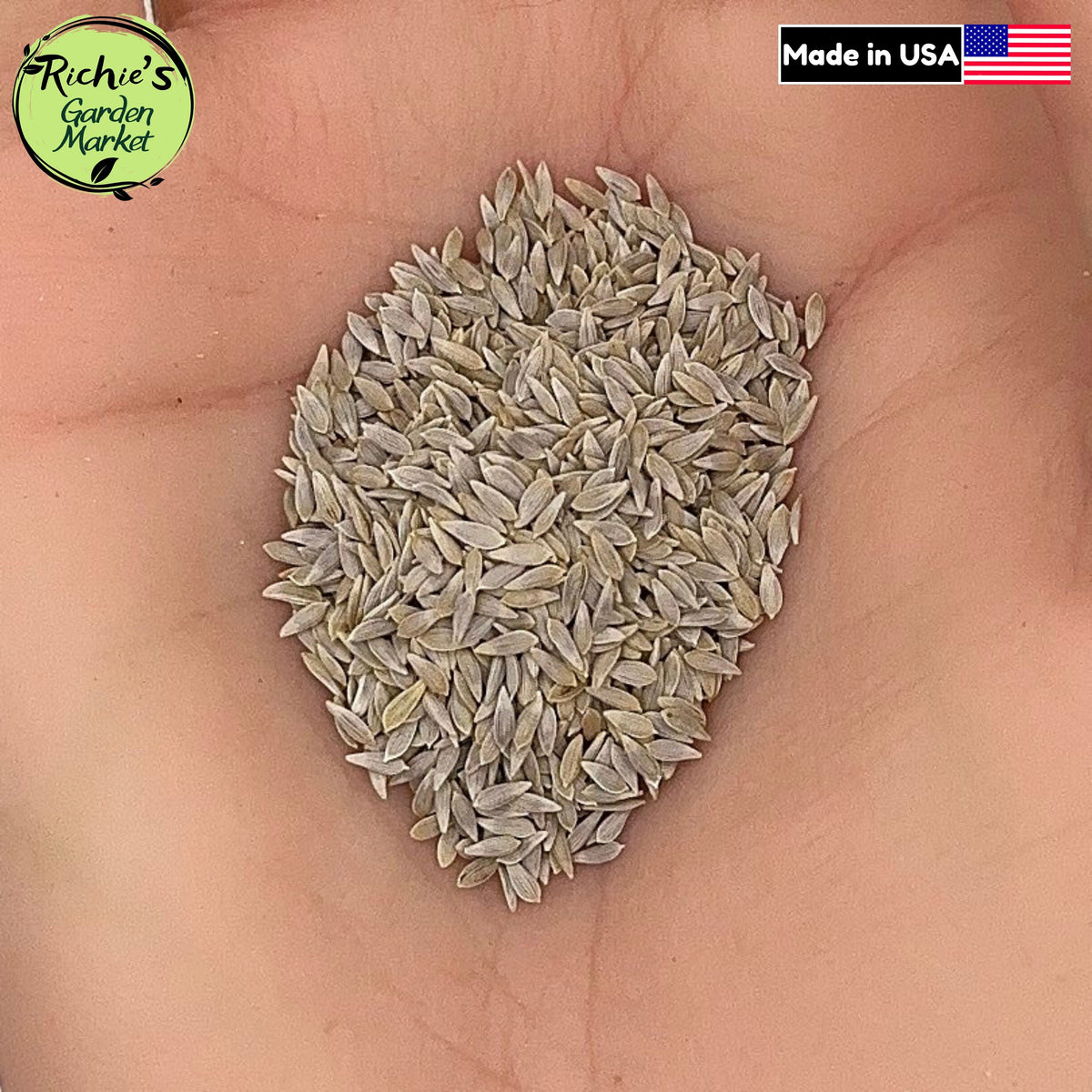
How to Grow Lettuce ‘Green Oakleaf’
‘Green Oakleaf’ is a tender loose-leaf lettuce with deeply lobed leaves that resemble oak leaves. It forms soft, open rosettes of bright green foliage with a mild, sweet flavor and delicate texture. Perfect for cut-and-come-again harvests, baby salad mixes, and full-sized heads, it’s an easy, dependable variety for beds, raised beds, and containers.
Quick Growing Facts
| Botanical name | Lactuca sativa ‘Green Oakleaf’ |
| Plant type | Cool-season annual leafy vegetable; loose-leaf, non-heading (oakleaf type) |
| Days to germination | About 7–14 days in cool to mild soil (around 45–70°F / 7–21°C) |
| Days to harvest | Baby leaves in 25–30 days; full-sized loose heads in about 45–55 days |
| Height & spread (mature plants) | About 6–12 in (15–30 cm) tall and 8–12 in (20–30 cm) wide; open rosette habit |
| Light requirements | Full sun to light partial shade; afternoon shade is helpful in hot climates to reduce bolting and bitterness |
| Soil | Loose, well-drained, fertile soil rich in organic matter; pH about 6.0–7.0; keep evenly moist for tender leaves |
| Spacing | 6–8 in (15–20 cm) between plants; 12–18 in (30–45 cm) between rows for full heads; closer for baby-leaf harvests |
| Hardiness | Cool-weather crop; frost tolerant; best in spring and fall, but relatively tolerant of mild heat compared to some lettuces |
When & Where to Grow ‘Green Oakleaf’ Lettuce
Green Oakleaf thrives in cool weather with consistent moisture. It’s ideal for early spring and fall plantings and can be grown as a cut-and-come-again salad green over a long season in cool-summer climates.
- Spring: Sow 2–4 weeks before your average last frost date, once soil is at least 40–45°F (4–7°C).
- Fall: Sow 6–8 weeks before expected hard frost so plants mature in cool weather; fall crops are often sweetest.
- Mild climates: Grow in fall, winter, and early spring; avoid peak summer heat or provide shade cloth.
- Location: Garden beds, raised beds, window boxes, and containers (at least 20 cm deep) in full sun to light shade.
Soil Preparation
Lettuce has shallow roots and loves loose, fertile soil that holds moisture without becoming waterlogged. A well-prepared bed makes germination and early growth much easier.
- Loosen the top 8–10 in (20–25 cm) of soil and remove weeds, roots, and stones.
- Mix in compost or well-rotted manure to boost fertility and moisture retention.
- Rake the surface into a fine, crumbly seedbed so small seeds make good contact with the soil.
- If soil is very acidic, a light application of garden lime can improve conditions for lettuce.
- Ensure good drainage; if soil is heavy clay, consider raised beds or add plenty of organic matter.
Direct Sowing ‘Green Oakleaf’ Outdoors
Direct sowing is simple and works beautifully for oakleaf lettuce, especially for continuous baby-leaf harvests and loose heads.
- Timing: Sow 2–4 weeks before last frost in spring, and again in late summer for fall harvest.
- Prepare the bed: Rake the surface smooth and fine after loosening and enriching with compost.
- Sowing depth: Sow seeds very shallowly, about 1/8–1/4 in (0.3–0.6 cm) deep, or press into the surface and cover lightly.
- Row spacing: Space rows 12–18 in (30–45 cm) apart.
- Seed spacing: Sow seeds about 1 in (2–3 cm) apart in the row; you’ll thin later to the final spacing.
- Water: Water gently with a fine spray and keep the top layer consistently moist until seedlings emerge.
Starting Lettuce Indoors (Optional)
Indoor sowing gives a small head start for early spring or helps when outdoor soil is too warm for reliable germination.
- Sow 4–6 weeks before the last expected frost date.
- Use cell trays with a fine, well-draining seed-starting mix.
- Sow 2–3 seeds per cell at 1/8–1/4 in (0.3–0.6 cm) deep or pressed into the surface; thin to one strong seedling per cell.
- Keep at 60–70°F (15–21°C) with even moisture and bright light to prevent leggy growth.
- Transplant when seedlings have 3–4 true leaves and nights are reliably above freezing.
Thinning, Spacing & Transplanting
Proper spacing helps Green Oakleaf form lush rosettes and keeps air moving through the foliage, which reduces disease.
- Thin direct-sown seedlings when they reach 1–2 in (2.5–5 cm) tall.
- For full-sized loose heads, thin or transplant to 6–8 in (15–20 cm) between plants in rows 12–18 in (30–45 cm) apart.
- For baby-leaf production, plants can be kept closer, around 4–6 in (10–15 cm) apart or sown in dense bands.
- Transplant on a cool, cloudy day or in the evening; plant at the same depth as in the tray and water in well.
- Use thinnings as tender baby salad greens.
Succession Sowing for Continuous Harvest
Because oakleaf lettuce matures quickly and prefers cool conditions, succession sowing keeps your salad bowl full with high-quality leaves.
- Sow a small patch every 2–3 weeks during the cool parts of the season rather than one large planting.
- In hot weather, use partial shade and generous mulching to help maintain cool, moist soil.
- Harvest or remove plants that start to bolt and replace with new sowings.
Watering & Feeding
Steady moisture and moderate fertility produce tender, sweet leaves. Stress from drought or low fertility can make leaves tougher and more bitter.
- Watering: Keep soil evenly moist but not waterlogged. Avoid allowing soil to dry out completely between waterings.
- Mulch: A light mulch of compost or straw helps retain moisture, suppress weeds, and keep soil cool.
- Feeding: In rich soil, compost at planting is often enough. In poorer soils or containers, use a balanced organic fertilizer or compost tea once or twice during the growing period.
Pests & Diseases
Healthy, fast-growing Green Oakleaf plants are generally easy, but some common lettuce pests and diseases can appear, especially in damp or crowded beds.
- Slugs & snails: Common in cool, wet weather; use traps, barriers, and hand-picking, and avoid very heavy mulch around the crown.
- Aphids: Rinse off with water or use insecticidal soap if infestations build up on leaves and stems.
- Leaf miners & chewing insects: Remove affected leaves and use row covers if damage is heavy.
- Fungal issues (downy mildew, rot): Provide good spacing and airflow, water at soil level, and avoid wetting foliage late in the day.
- Bolting: Hot weather and drought stress cause quick bolting; use shade and consistent moisture, and focus on cool-season harvests.
Harvesting ‘Green Oakleaf’ Lettuce
Baby Leaves & Cut-and-Come-Again
- Begin harvesting baby leaves about 3–4 weeks after sowing, when they are 2–4 in (5–10 cm) long.
- Use scissors to cut outer leaves or shear plants 1–2 in (2–5 cm) above the soil, leaving the growing center to regrow.
- With good care, plants can provide several cut-and-come-again harvests.
Loose Heads & Full Plants
- For full-sized loose heads, harvest around 45–55 days after sowing, once rosettes are full and leaves are well developed.
- Cut the entire plant at the base with a sharp knife, just above the soil line.
- Harvest in the cool of the morning for crisp texture and best storage life.
- If plants begin to elongate and form a central flower stalk, harvest immediately; flavor becomes more bitter as bolting advances.
Storing & Using ‘Green Oakleaf’ Lettuce
- Rinse leaves in cool water and spin or pat dry thoroughly.
- Store in a breathable or lightly sealed container/bag in the refrigerator; use within about 5–7 days for best quality.
- Enjoy in salads, sandwiches, wraps, and lettuce cups; the soft, lobed leaves mix beautifully with other greens and herbs.
- Combine with red lettuces, arugula, and edible flowers for colorful, gourmet-style salads straight from the garden.
Saving Seed from ‘Green Oakleaf’ Lettuce
Lettuce is mostly self-pollinating, making Green Oakleaf fairly easy to save seed from. It will bolt, flower, and set seed if allowed to mature in warm weather.
- Select healthy, true-to-type plants and allow them to bolt and flower after you’re finished harvesting leaves.
- Plants produce tall stalks with small yellow flowers, followed by fluffy seed heads.
- When seed heads turn dry and fluffy, cut stalks and place them in a paper bag or over a tray.
- Rub the heads gently to release the small seeds and remove excess chaff.
- Store seeds in a labeled, airtight container in a cool, dry, dark place; lettuce seeds generally remain viable for several years.
Tips for Success
- Focus on cool-season sowings (spring and fall) for the sweetest, most tender leaves.
- Use small, frequent succession plantings for a continuous supply instead of one large sowing.
- Keep soil consistently moist and moderately fertile to avoid stress and bitterness.
- Provide afternoon shade or use shade cloth in hot climates to slow bolting.
- Grow near the kitchen door or in containers so you can harvest fresh oakleaf leaves right before meals.
Note: Growing conditions and timing vary by region. Adjust sowing dates, watering, and heat or frost protection to match your local climate and weather patterns.